Eye Health After Age 60
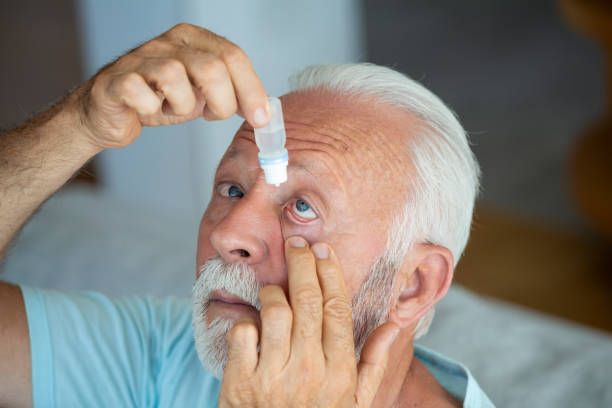
The best starting point for Eye Health After Age 60 is often a routine that fits your schedule and is easy to repeat. This article keeps the problem overview brief and gives most of the space to practical, everyday solutions.
- Keep contact lenses hygienic.
- Use good lighting for reading and work.
- Schedule routine eye exams.
- Take regular screen breaks.
- Wear UV-protective sunglasses.
What to do first
Focus on your daily environment: food choices, movement, sleep, hydration, and simple self-care. Small improvements in these areas can support a more consistent wellness routine.
How to make the routine easier
If symptoms are new, severe, worsening, or interfering with daily life, it is important to get appropriate medical advice rather than relying only on self-care.
Common mistakes to avoid
Use simple cues to stay consistent, such as pairing a new habit with breakfast, your evening routine, or another activity you already do every day.
When to get professional advice
If the issue is severe, persistent, suddenly worse, or causing significant pain or other concerning symptoms, speak with an appropriate healthcare professional. This article is for general education and is not a diagnosis or treatment plan.
What to avoid while improving the routine
Avoid changing too much at once, chasing guaranteed-result claims, or using aggressive home remedies that cause irritation, pain, dizziness, or other unwanted effects.
When to get medical advice
Contact a healthcare professional if symptoms are worsening, lasting longer than expected, interfering with daily life, or causing concern. For sudden severe symptoms, chest pain, trouble breathing, fainting, sudden weakness, or sudden loss of vision or hearing, seek urgent medical care.